
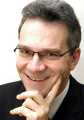

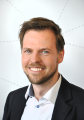

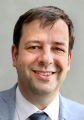

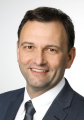
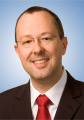


Junior Research Group Leader
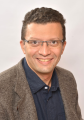
Dr. Stefan HeindorfData Science Junior Research Group Junior Research Group Leader Data Science |
Office: FU.214 |

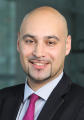
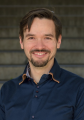
Dr. Zahra RaissiQuantum Information Junior Research Group Junior Research Group Leader |
Office: O4.173 |

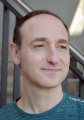
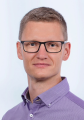
Michael RöderResearch |
Office: TP6.3.108 |
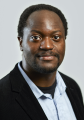
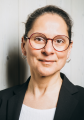
Dr.-Ing. Philipp TerhörstResearch group leader - Responsible AI for Biometrics |
Office: F2.108 |
| Prof. Dr. Susanne Albers | zur aktuellen Webseite | |
| Jun.-Prof. Dr. Anthony Anjorin | ||
| Prof. Dr. Dipl.-Math. Jürgen Becker | ||
| Jun.-Prof. Dr.-Ing. Steffen Becker | zur aktuellen Webseite | |
| Jun.-Prof. Dr. Patrick Briest | ||
| Jun.-Prof. Dr. André Brinkmann | zur aktuellen Webseite | |
| Prof. Dr. Stefan Brunthaler | zur aktuellen Webseite | |
| Prof. Dr. Martin Dietzfelbinger | zur aktuellen Webseite | |
| Prof. Dr. Gitta Domik-Kienegger | zur ehemaligen Webseite | |
| Prof. Dr.-Ing. habil. Falko Dressler | zur ehemaligen Webseite | zur aktuellen Webseite |
| Jun.-Prof. Dr. Robert Elsässer | zur aktuellen Webseite | |
| Jun.-Prof. Dr. Hannes Frey | ||
| Jun.-Prof. Dr. Holger Giese | zur aktuellen Webseite | |
| Jun.-Prof. Dr. Heiko Hamann | zur aktuellen Webseite | |
| Jun.-Prof. Dr. Thorsten Hampel | ||
| Prof. Dr. Wilfried Hauenschild | ||
| Prof. Dr. Hans-Ulrich Heiß | zur aktuellen Webseite | |
| Prof. Dr. Juraj Hromkovic | zur aktuellen Webseite | |
| Prof. Dr. Eyke Hüllermeier | zur ehemaligen Webseite | zur aktuellen Webseite |
| Prof. Dr.-Ing. Tibor Jager | zur ehemaligen Webseite | zur aktuellen Webseite |
| Prof. Dr. Odej Kao | zur aktuellen Webseite | |
| Prof. Dr. Holger Karl | zur ehemaligen Webseite | zur aktuellen Webseite |
| Prof. Dr. Uwe Kastens | zur ehemaligen Webseite | |
| Prof. Dr.-Ing. Reinhard Keil | zur ehemaligen Webseite | |
| Prof. Dr. Franz - Josef Kevekordes | ||
| Prof. Dr. Ekkart Kindler | zur aktuellen Webseite | |
| Prof. Dr. Hans Kleine Büning | zur ehemaligen Webseite | |
| Prof. Dr. Matthias Krause | zur aktuellen Webseite | |
| Prof. Dr. Conrad Kuck | ||
| Prof. Dr. Miroslaw Kutylowski | zur aktuellen Webseite | |
| Prof. Dr. Hans - Jürgen Küspert | ||
| Prof. Dr. Thomas Lengauer | zur aktuellen Webseite | |
| Prof. Dr. Johannes Magenheim | ||
| Prof. Dr. Peter Martini | zur aktuellen Webseite | |
| Prof. Dr. Friedhelm Meyer auf der Heide | zur ehemaligen Webseite | |
| Prof. Dr. Burkhard Monien | zur ehemaligen Webseite | |
| Prof. Dr. Dipl.-Math. Rudolf Nabert | ||
| Prof. Dr. Lutz Priese | zur aktuellen Webseite | |
| Prof. Dr. Franz-Josef Rammig | zur ehemaligen Webseite | |
| Prof. Dr. Wilhelm Schäfer | zur ehemaligen Webseite | |
| Prof. Dr. Georg Schnittker | ||
| Jun.-Prof. Dr. Alexander Skopalik | zur aktuellen Webseite | |
| Jun.-Prof. Dr. Christian Sohler | zur aktuellen Webseite | |
| Jun.-Prof. Dr.-Ing. Christoph Sorge | zur aktuellen Webseite | |
| Prof. Dr. Gerd Szwillus | zur ehemaligen Webseite | |
| Jun.-Prof. Dr. Henning Wachsmuth | zur ehemaligen Webseite | zur aktuellen Webseite |
| Prof. Dr. Heike Wehrheim | zur ehemaligen Webseite | |
| Prof. Dr. Gregor Engels | zur ehemaligen Webseite |
|
| Milos Lansky | zur aktuellen Website | |
| Andreas Schwill | zur aktuellen Website | |
| Raul Camposano | zur aktuellen Website | |